
Architecture In Not Reality
Blog post description.
AKA Design Space
1/22/20262 min read
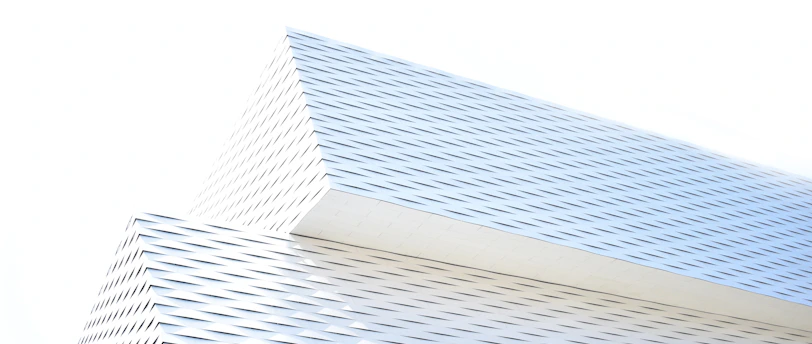
The relationship between architecture and reality often dwells in subtle tension—a negotiation between the tangible and the imagined. For many architects, this duality shapes their craft, reframing structures as vessels for memory, identity, and aspiration. While reality demands functional compliance with physical laws and constraints, architecture operates within a realm where form and spirit converge, creating spaces that transcend mere utility.
This essay explores how design, as a reflection of human consciousness, becomes a “sign or mark from our memory,” pushing architecture beyond the physical to articulate the intangible imprints left by people who inhabit and engage with these spaces.
In the pursuit of algorithmic architecture reveals a quiet rebellion against rigid forms, urging us to reconsider how technology reshapes not just structures, but our collective perception of living spaces. Amid algorithmic precision, the architect must also retain a reverence for the human experience, ensuring that spatial transitions—from residential sanctuaries to public realms—remain attuned to individual and communal needs.
This balance between computation and empathy defines their commitment to elevating spatial importance in living spaces, transforming sterile geometries into places that nurture connection rather than impersonal utility. At the heart of this mission lies a belief that architecture, in its quest to merge logic with emotion, must act as a mediator between abstract intent and lived reality. While striving to make algorithmic optimization with human-centric design, architects often grapple with the paradox of “not reality”—a tension where the fragmented essence of tradition competes with the immediacy of modernity.
Yet this contradiction fuels creativity: algorithms can simulate organic patterns, yet authenticity remains elusive. The result is spaces that feel both futuristic and familiar, where data-driven precision coexists with organic evolution. This interplay challenges conventional notions of progress, asserting that true spatial significance arises not solely from technological advancement but from how those innovations serve collective well-being.
Ultimately, architecture challenges us to preserve the flexibility of thought while honoring its role as a custodian of memory. In redefining “not reality,” we refine a concept that, despite its contradiction, remains central: architecture shapes how people perceive and dream within the built environment. Though straddling moments of abstraction, it affirms its enduring power to shape human existence, blurring lines between the ephemeral and the eternal.
Through this pursuit, the architect affirms their role not merely as designer, but as curator of shared human experience, ensuring that even in their “not reality” realm, spaces reflect the profound depth of the spaces they inhabit.